
{主关键词}
熊出没之夺宝熊兵
China-Tanzania healthcare cooperation brings AI-powered diagnosis to patients_我的网站

A |
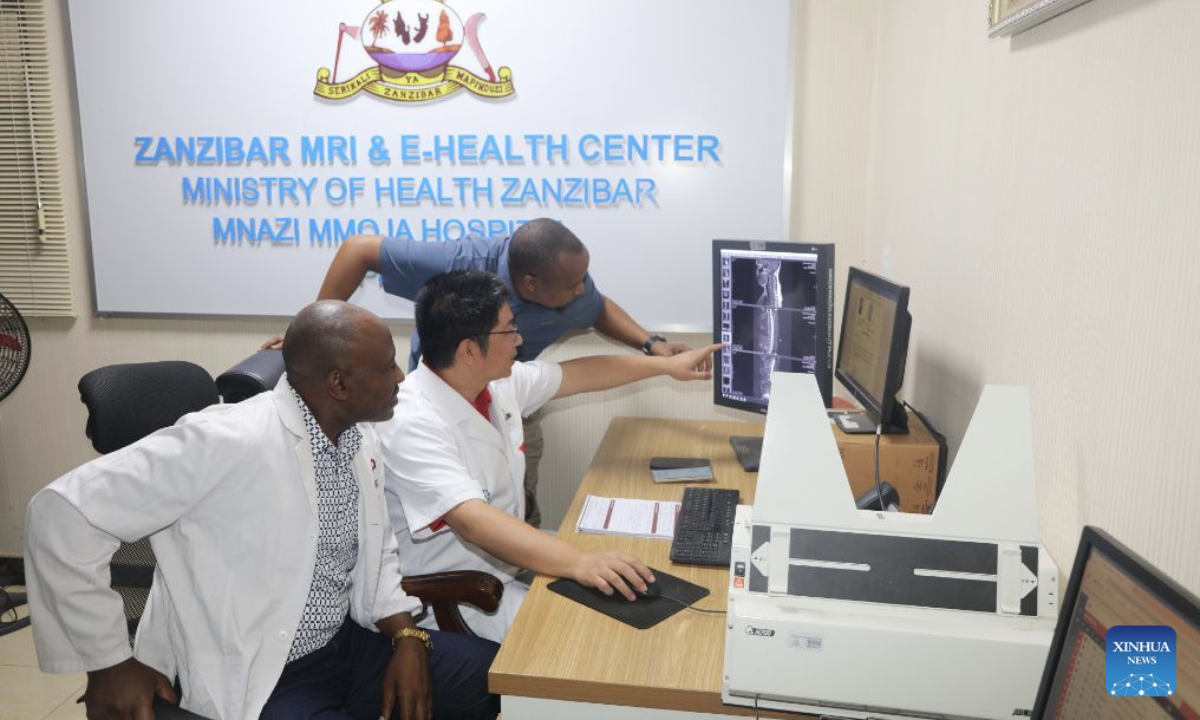
On the island, artificial intelligence (AI) systems are helping doctors interpret medical images, while remote consultations connect local physicians with specialists thousands of kilometers away.
Bridging this distance is Yuan Gang, a radiologist with the 35th Chinese medical team in Zanzibar, who combines local imaging, cloud-based AI analysis, and real-time specialist consultations.
For years, Zanzibar's healthcare system has faced challenges in diagnosing complex diseases, particularly because of limited imaging expertise, heavy workloads, and the lack of advanced diagnostic tools, said local physician Haitham Hamudu.
Imaging interpretation, often described as the "eyes" of modern medicine, has been especially constrained by limited expertise, heavy workloads, and a lack of advanced tools, Haitham said.
By linking the hospital's imaging system with the First People's Hospital of Lianyungang in east China's Jiangsu Province, he has introduced a three-layer diagnostic approach, which includes initial reading by local doctors, AI-assisted detection and classification, and quality control through Chinese specialist review.
This hybrid model is enabling doctors in Zanzibar to access the precision and standards of top-tier Chinese hospitals without requiring patients to leave the island.
"Technology is allowing us to overcome distance and resource gaps," Yuan said. "It is not just about solving one case, but about building a system that improves care for many patients."
One of the most striking cases involved a young Zanzibari child suffering from recurrent vomiting and lethargy.
After reviewing the child's Magnetic Resonance Imaging scans, Yuan diagnosed hydrocephalus but found the underlying cause unclear. He immediately initiated a remote consultation with neuroradiology experts in the Chinese city of Lianyungang.
By jointly reviewing the imaging data and clinical records, the team identified the hidden cause, provided a precise diagnosis and treatment recommendations, giving local doctors a clear path forward and the child a renewed chance at recovery.
Beyond individual cases, Yuan has introduced AI-powered imaging tools to improve diagnostic accuracy in Zanzibar.
He said many women have dense breast tissue, making breast cancer harder to detect with conventional mammography. AI-assisted mammography now analyzes images, classifies lesions using the internationally recognized Breast Imaging Reporting and Data System, and helps doctors assess malignancy risk.
In one case, a 42-year-old woman with mild breast pain showed no obvious abnormalities on routine examination. AI, however, detected two hidden nodules and accurately classified their risk, helping doctors avoid unnecessary procedures while ensuring timely follow-up.
Similarly, AI-assisted lung imaging is improving the early detection of pulmonary nodules that are often missed in manual readings.
In one case, a 56-year-old man with a chronic cough was initially diagnosed with inflammation. Yuan's review, supported by AI analysis, identified four small nodules, including one with high-risk features, prompting closer monitoring and potentially preventing the progression of an early tumor.
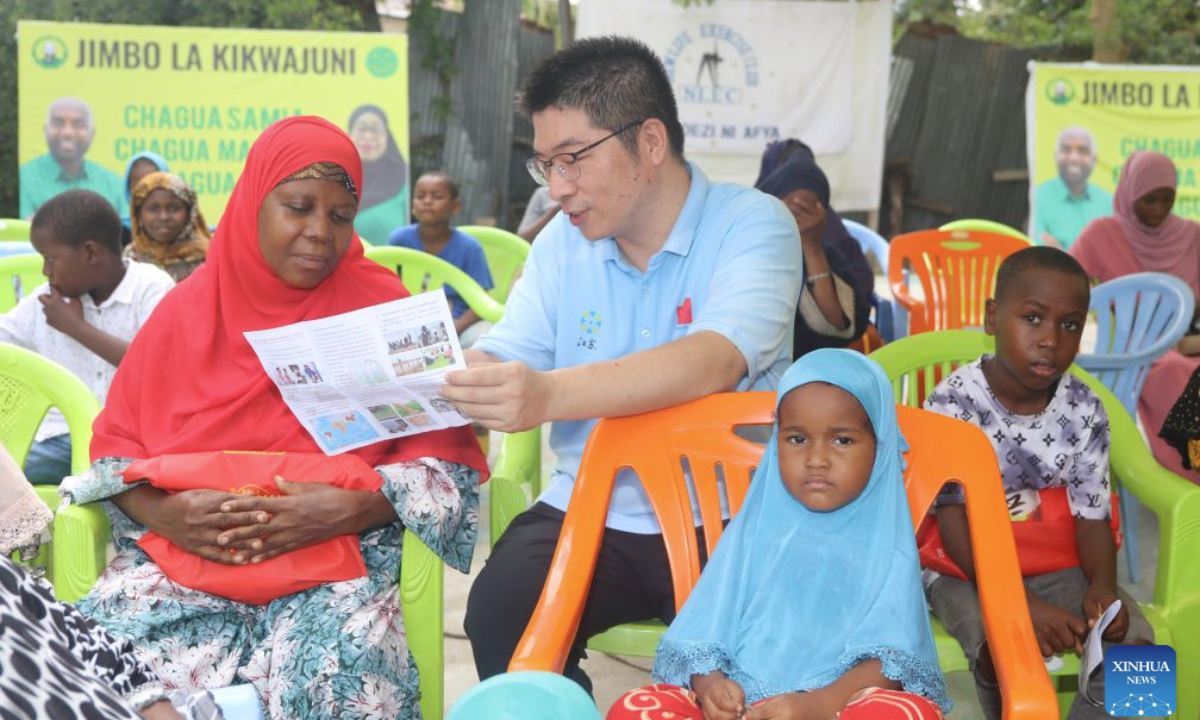
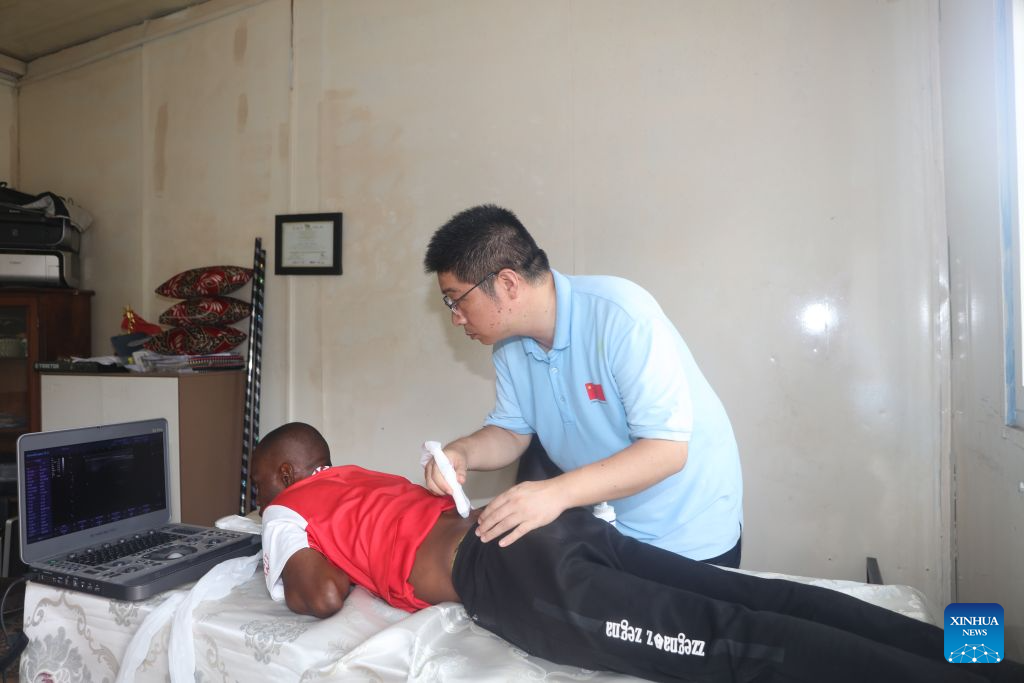
Beyond diagnosis, Yuan is helping local doctors adopt AI tools, standardized reporting systems, and structured diagnostic methods through hands-on training and case-based teaching, improving diagnostic accuracy while strengthening local capacity.
The AI imaging initiative is part of a broader digital healthcare partnership between China and Tanzania's Zanzibar, Yuan said.
The hospital and its partner institution in Lianyungang have established regular remote multidisciplinary team consultations, bringing together specialists in neurosurgery, oncology, and other disciplines to jointly review complex cases and develop treatment plans.
"I have never seen this kind of consultation before," said local physician Haitham. "So many experts working together, providing practical solutions. It is very inspiring."
Bao Zengtao, leader of the Chinese medical team, said remote consultations not only improve patient care but also enhance the professional capacity of local healthcare workers.
Yuan added that the ultimate goal is to build a sustainable model that can be expanded across Africa, ensuring more patients have access to accurate diagnosis and timely treatment.
。1月15日,据外媒报道,英特尔计划发布一款高端桌面处理器i9-9990Xe,内部文件称,该处理器不是零售的,而是拍卖给原始设备制造商。据报道,这款新处理器将成为英特尔高端台式机系列中数量最高的处理器。目前的顶级处理器是I9-9980XE,18核36线程,基本频率为3.5GHz,提升频率为4.0GHz。根据Anandtech的说法,酷睿i9-9990Xe将是一个基本频率为4.0 GHz、提升频率为5.0 GHz的14核处理器。英特尔将处理器列为“非路线图产品”,这意味着它不会进入零售市场。英特尔不会直接向最终用户销售该产品,但会通过一系列拍卖(每季度举行一次)将其提供给选定的原始设备制造商,第一次拍卖定于2019年第三周进行。

B | 需要注意的是,该芯片具有255W的TDP,这意味着峰值功率将更高,适用于X299主板,Intel不提供任何保修。
Current article:http://yuvol.bomanglangsugangunxileba.cyou/news/20260826_70441.html
Published on:14:04:51
- 3390563法国总理博尔内就能源危机举行新闻发布会
- 400025常州副市长现身凤凰传奇演唱会 还在评论区认真解答网友问题
- 2212抚顺石化公司烷基苯产量再创新高
- 862462扣非增长800%,在手订单超过48亿,这家半导体设备为何狂飙?| 1105 张博划重点
- 658Australian, UK Armies Participated in Controversial Khalistani Separatist Events: Report
- 9761656《关于做好长期护理保险支付管理工作的指导意见》的政策解读
- 688436六股河口外海砂项目迈入规模化开采阶段
- 339053谷歌TPU之父,被Anthropic连夜挖走了
- 5163950破防了,WRC上的机器人,比我还会过日子
- 240123住房公积金政策迎大变化!9月20日起施行
- 719“微信支付点”首次亮相:类似芝麻信用
- 15164记者:迪亚比将以3700万欧元的转会费重返勒沃库森,合同期五年
- 97270苹果 macOS 27.0 开发者预览版 Beta 7 发布
- 7372《绝命毒师》最精彩的剧集之一即将登陆院线
- 134922对中东地缘冲突担忧缓解,国际油价25日显著下跌,当日收盘时下跌超3%
- 812China's pharmaceutical industry sees accelerated innovation breakthroughs in H1
- 8396378美媒感慨:从耐克到通用汽车 美国品牌为何在中国不吃香了
- 16221方便面又好卖了?三大巨头业绩集体回暖
- 5349851【现货】8月26日20#胶港口价格汇总
- 779245经济日报:用剩菜剩饭喂猪违法吗
- 602中科通达:计提及转回信用和资产减值准备共计1568.98万元
- 73397奕境曾清林谈“汽车召回”:是一个市场成熟的标志,但长期被误解成 " 质量不行 " 代名词
我的网站热门国内
- Copyright @ 2016-2017 我的网站 版权所有